First Tattoo: A Complete Guide to Preparing for Your Appointment
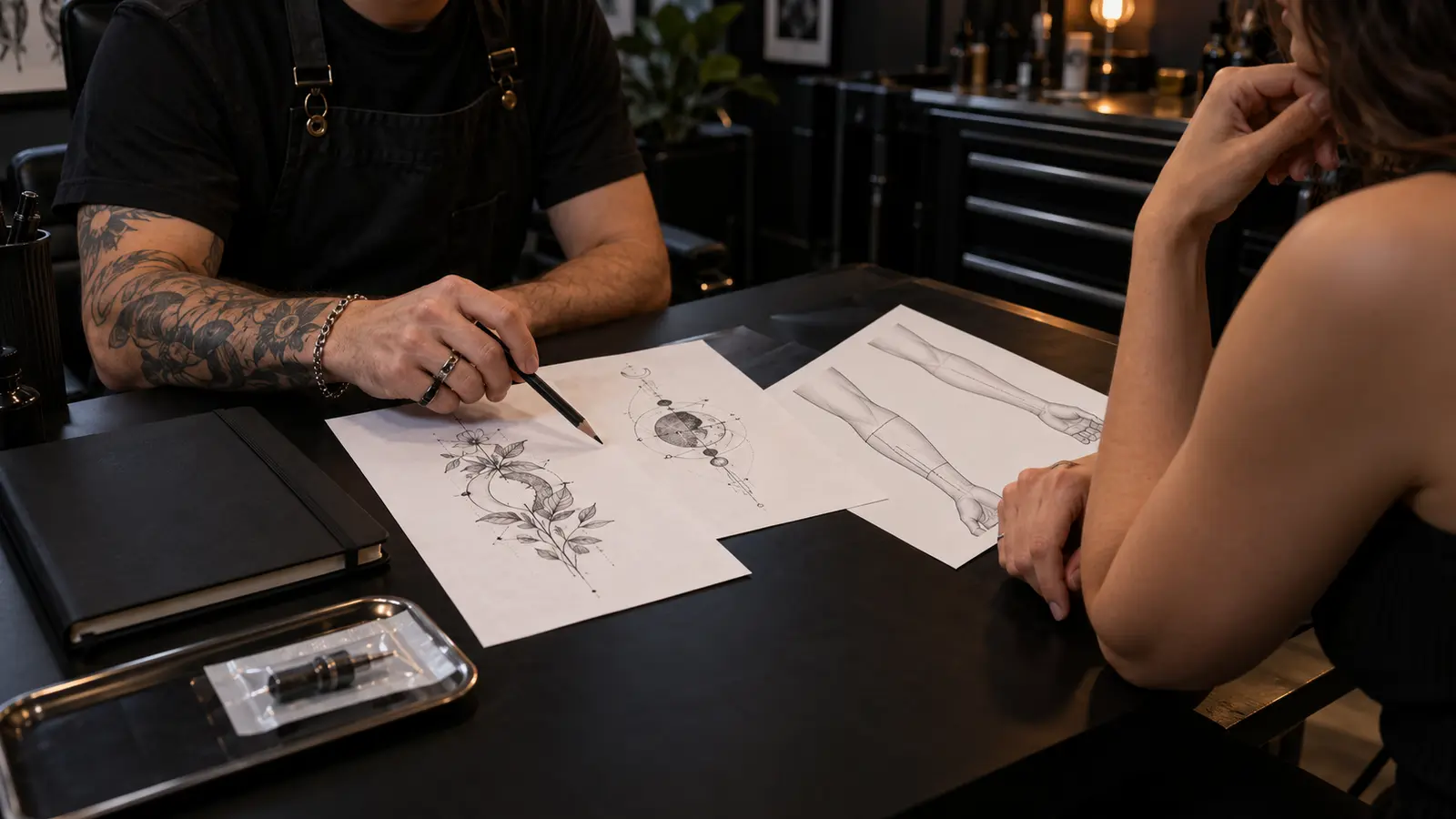
A first tattoo is an exciting decision, but it often comes with many questions. How should you choose the right idea? Which artist suits your style? How large should the tattoo be, and which area of the body will work best? What should you do before the appointment?
Good preparation will not remove every concern, but it helps you enter the studio informed and calm. It makes communication with the artist easier, reduces unnecessary surprises, and creates better conditions for both the session and the healing period.
In this guide, the team at Tattoo Studio Arty in Sofia brings together the most important practical steps before your first tattoo—from developing the idea and choosing an artist to clothing, food, and planning your aftercare.
Start with an idea, but leave room for professional adaptation
You do not need to arrive with a finished design. It is enough to know what you want to express, which elements matter to you, and how the tattoo should feel. Collect a few references for style, composition, colour, or mood, but do not expect an exact copy of someone else’s work.
A tattoo must be adapted to your body. The shape and movement of the area, the scale, and the spacing between details affect how clearly it reads now and over time. A good artist uses references as direction and creates an individual solution that works on skin.
Choose an artist for their style, not only their availability
Study the portfolio carefully. Look for consistency in lines, shading, colour, and composition, as well as examples in the style you want. If possible, view healed tattoos too; they give a more realistic picture of the work after the initial freshness has settled.
The earliest available appointment is not always the best choice. Realism, fine line, graphic, ornamental, and colour projects require different experience. At Tattoo Studio Arty, we direct enquiries to the artist whose visual language and technical skills best match the idea.
Discuss size and placement openly
Size is not only a matter of taste or price. Too much detail in a small area can lose clarity, while a composition that looks good on a screen may not follow the body naturally. The artist may recommend a change in scale, orientation, or placement.
Consider your daily life as well: work, sport, clothing, and sun exposure. Some areas are more sensitive, some move or rub more, and highly visible placements can have professional implications. There is no universally correct area—only an informed choice for your project and lifestyle.
Book a consultation for a larger or complex project
For a sleeve, back piece, cover-up, work over a scar, or a composition with many elements, a consultation is an important part of the process. It allows the artist to assess anatomy, existing tattoos, the likely number of sessions, and a realistic budget.
Use the conversation to ask questions and clarify which elements are essential and where you welcome suggestions. If the area includes a mole, an active skin issue, an unhealed scar, or a medical concern, seek advice from a doctor or dermatologist first.
Prepare your skin without going to extremes
In the days before the appointment, keep your skin clean and normally moisturised. Avoid sunburn, tanning beds, irritation, and aggressive treatments on the area. Injured, inflamed, or badly sunburnt skin may require the session to be postponed.
Do not experiment with strong new products immediately before the tattoo, and do not shave the area roughly unless the studio has instructed you to. The artist will prepare it safely on site. The goal is healthy, calm skin—not a special home treatment.
Sleep well, eat, and drink water
Arrive rested and have a normal meal before the appointment. Hunger, lack of sleep, and dehydration can make staying still and managing discomfort more difficult. Choose familiar, balanced food and bring water if the session will be longer.
There is no need to overeat or use energy drinks as a substitute for rest. If you have a condition that requires a particular diet or medication, discuss safe preparation with your doctor and tell the studio anything relevant.
Avoid alcohol and randomly chosen painkillers
Alcohol before a session does not prepare you for pain and may affect your condition, bleeding, and ability to give informed consent. A studio may refuse the procedure if alcohol has been consumed. Arrive sober and in good general health.
Do not take medicine or painkillers solely on advice from the internet or a friend. Some products affect clotting or interact with other medication. Never stop prescribed treatment on your own—ask your doctor when unsure and inform the artist in advance.
Choose comfortable, practical clothing
Your clothes should provide easy access to the area without constant pressure or unnecessary exposure. Loose shorts work well for a thigh or leg; a vest or loose T-shirt for a shoulder or arm; and a garment that can be moved easily for the back.
Remember that ink or disinfectant may reach the fabric. Choose dark clothes that are not precious and bring an extra layer because a long session can feel cool. Being comfortable makes it easier to remain relaxed and still.
Prepare for the session itself
Bring identification and arrive on time so there is room for a final conversation, stencil placement, and workstation preparation. Avoid scheduling an important commitment immediately afterwards—the duration can change depending on the project and the breaks required.
A phone, headphones, book, and small snack can help during a long session, but follow the artist’s directions and avoid movements that interfere with the work. If you feel faint, experience unusual pain, or need a pause, say so immediately. Clear communication is part of a safe process.
Plan your aftercare in advance
After the procedure, you will receive specific instructions for the protective covering, washing, and a suitable product. Prepare clean clothing and bedding and give the area time to recover. Do not plan swimming, sauna, strong sun, or activities with intense friction immediately after the appointment.
Follow your artist’s instructions because different coverings and placements may require different care. Do not scratch or force off peeling skin. Seek medical advice if you experience unusual pain, spreading redness, severe swelling, discharge, or general illness.
What to include in your enquiry
To receive a more accurate reply and be directed to the right artist, include:
- a short description of the idea and the elements that matter to you;
- your preferred style and colour direction;
- the intended placement on the body;
- an approximate size in centimetres;
- a few references, without requesting a direct copy;
- a photo of the area for a cover-up, scar, or existing tattoo;
- your preferred period and convenient days.
These details do not commit you to a final design. They provide a useful starting point for consultation and a realistic assessment of the project.
Calm preparation creates a better experience
Your first tattoo should not be an endurance test or a rushed decision. The best start combines a clear idea, a carefully chosen artist, an open conversation, and realistic expectations.
Take time to study portfolios, discuss size and placement, and prepare your body with normal sleep, food, and water. On the day of the session, ask questions and tell the artist how you feel.
At Tattoo Studio Arty Sofia, we approach every project individually and help adapt the idea to the body, the chosen style, and the tattoo’s long-term readability.
When you are ready, send us an enquiry with the main details. We will guide you towards the right artist and next step, without promising a result before the necessary consultation.
Ready to discuss your first tattoo?
Explore the artists and gallery at Tattoo Studio Arty, then send us your idea, placement, and approximate size. We will help you plan the right consultation.