10 Tattoo Myths — Answered by Tattoo Studio Arty
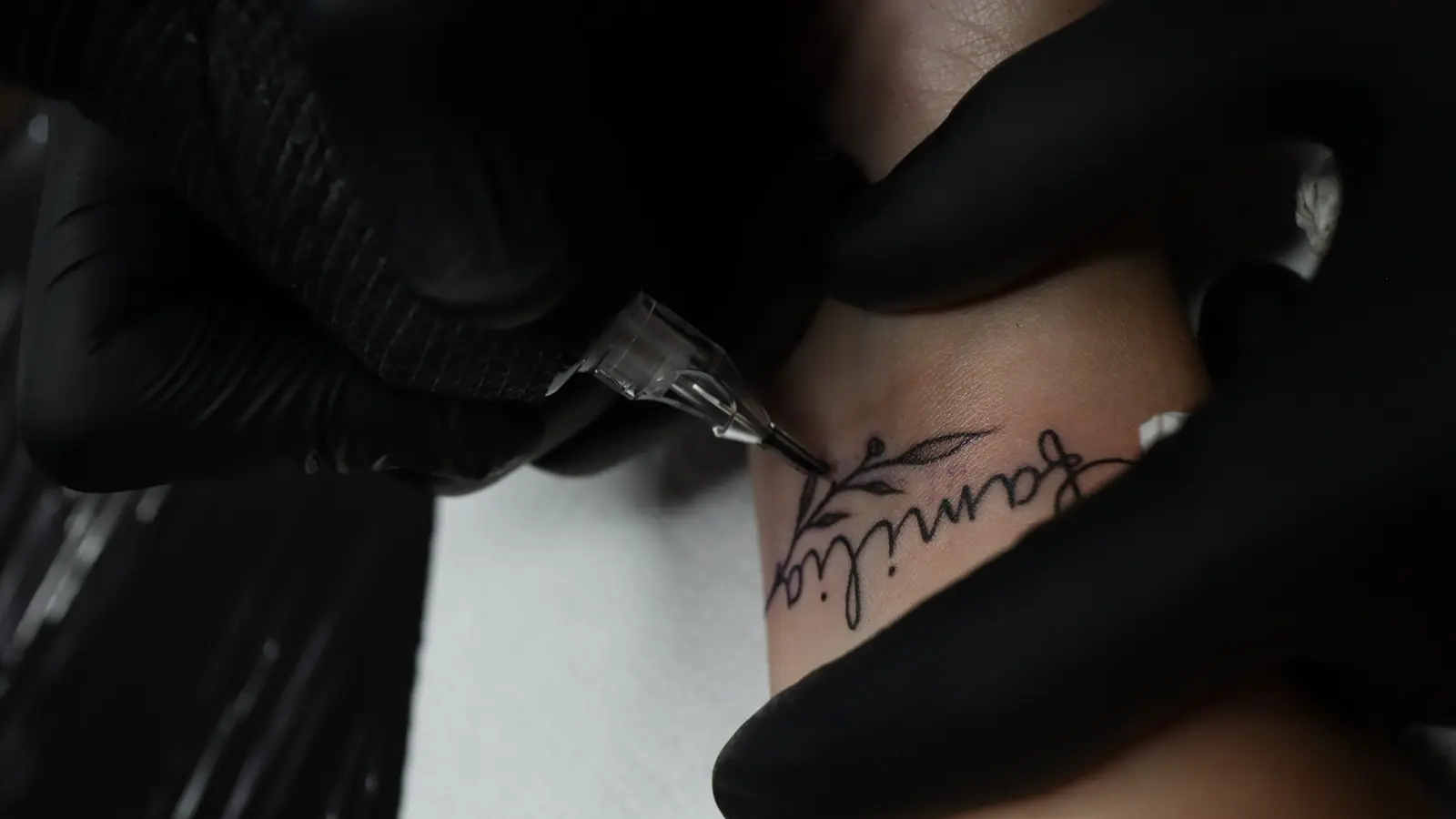
Tattoos are no longer unusual, yet many myths still surround them. Some come from a time when reliable information was harder to find. Others grow from a bad personal experience, misleading online images or promises that sound too good to be true.
At Tattoo Studio Arty in Sofia, we often hear the same questions: How much will it hurt? Is it dangerous? Will a colour tattoo fade? Can scar tissue be tattooed? Can laser treatment remove a tattoo completely?
The truth is rarely so absolute. Tattooing is not painless, but pain is not the same for everyone. A professional studio can greatly reduce risk through correct hygiene and working practices, but it cannot honestly promise zero risk. A good result depends not only on the artist, but also on the design, the condition of the skin and the care taken afterwards.
In this article, the Tattoo Studio Arty Sofia team examines ten widespread tattoo myths and explains what clients should know before making a decision.
Tattoo pain is unbearable
The myth:
Every tattoo causes severe pain and a session is almost impossible to tolerate.
The truth:
The sensation varies from person to person and depends on placement, session length, individual sensitivity and how the body feels that day. Areas with thinner skin, many nerve endings or little tissue over bone are generally more sensitive, while other areas may feel considerably easier. Preparation matters too. Good sleep, a normal meal, hydration and a calm mindset can make the experience more manageable. Alcohol and randomly chosen painkillers are not sensible preparation. If pain concerns you, discuss placement, size and expected session length with the artist during the consultation.
Tattooing is always unhygienic and dangerous
The myth:
Every tattoo carries a high infection risk, regardless of where or how it is done.
The truth:
Tattooing breaks the skin, so risk can never honestly be described as zero. There is, however, a major difference between a professional studio with a clear hygiene protocol and work carried out in an unsuitable environment. Professional practice includes proper cleaning and preparation of the station, single-use needles and supplies, protective barriers, gloves and safe disposal. The source, storage and handling of inks also matter. Clients are entitled to ask how the station is prepared and which supplies are used. Hygiene is not a luxury add-on; it is a basic requirement of professional tattooing.
A tattoo means you can never donate blood again
The myth:
Even one tattoo creates a permanent ban on blood donation.
The truth:
Having a tattoo does not normally mean that someone can never donate blood again. A temporary waiting period may apply after a new tattoo. The conditions vary by country, blood service, how the procedure was performed and the donor’s health. Do not rely on a random waiting period found online. If you intend to donate, contact the relevant blood centre and explain when and where the tattoo was done. Eligibility is decided by its medical team under current rules. A tattoo does not exclude you forever, but it may temporarily affect when you can donate.
Laser removes every tattoo completely and without a trace
The myth:
A few laser sessions can return the skin to exactly how it looked before the tattoo.
The truth:
Laser treatment can substantially lighten a tattoo, but results differ and cannot be guaranteed in advance. Colour, saturation, pigment depth, ink composition, size, age of the tattoo and the individual skin response all affect the outcome. A course of treatments and recovery time between sessions is usually required. Residual pigment or changes in skin colour and texture may remain. Claims of complete removal without a trace should therefore be treated critically. A qualified practitioner needs to assess the specific tattoo and explain what outcome is realistically possible.
Colour tattoos always fade quickly
The myth:
Black ink lasts, while colour tattoos lose their appearance almost immediately.
The truth:
Every tattoo changes with time, including black-and-grey work. How well colour holds depends on execution, colour placement, contrast, the person’s skin, healing and sun exposure. A well-designed colour tattoo can remain clear and readable for a long time, but skin should not be expected to look forever like a photograph of a fresh tattoo. Prolonged ultraviolet exposure accelerates visible change. Once fully healed, protection from strong sunlight and consistent skin care help preserve the work. Long-term readability depends on the structure of the whole design, not only on bright colours.
A small tattoo is always cheap and easy
The myth:
If a design occupies little space, it must require little work and cost very little.
The truth:
Size is only one factor. A small tattoo with fine detail, complex lines or a difficult placement may require more control and preparation than a larger but simpler design. Consultation, drawing or adapting the artwork, station preparation and single-use supplies are also part of the work. Not every image can simply be reduced. Packing too many elements into a small area can make them lose clarity over time. Sometimes the professional recommendation is to enlarge or simplify the design. That is not automatically an attempt to raise the price; it can be necessary for the tattoo to work properly on skin.
Any mole or scar can be tattooed directly
The myth:
Moles and scars are simply part of the skin and need no special consideration.
The truth:
Moles and scars are different situations. Covering a mole with pigment without prior assessment is not advisable because it can make changes in shape, size or colour harder to monitor. Where there is doubt, a dermatologist should examine it, and the tattoo can often be designed around it. Tattooing scar tissue depends on the type of scar, its condition and how fully it has matured. Not every scar is suitable, and results on altered tissue may be less predictable. A professional artist should assess the area and recommend medical advice whenever there is a health concern.
Tattoos automatically damage your career
The myth:
A visible tattoo means you will not be considered professional and will lose job opportunities.
The truth:
Attitudes towards tattoos have changed considerably, but they are not identical across every profession, employer or country. Tattoos are fully accepted in many workplaces. Others may have policies about visible tattoos, particularly where uniforms, formal representation or specific appearance standards are involved. Neither “tattoos ruin careers” nor “tattoos never matter” is universally true. If your work has restrictions, check them before choosing a highly visible placement such as the face, neck or hands. Thoughtful placement can allow a tattoo to be shown or covered according to the situation.
Aftercare does not really matter
The myth:
The work ends in the studio, and the final result depends entirely on the artist.
The truth:
A new tattoo goes through a healing process, and how it is cared for can affect recovery. The artist should provide clear instructions appropriate to the protection method and placement. Those instructions should not be replaced by random advice from social media. Soaking, swimming pools, saunas, strong sun, dirty environments, friction and activities that cause heavy sweating or stretch the area may create problems while it heals. Do not scratch or forcibly remove peeling skin. Seek medical advice for unusual pain, spreading redness, significant swelling, discharge or general illness.
Tattoo price depends only on size
The myth:
Two tattoos of the same size should cost the same, and the price is simply something to bargain down.
The truth:
Size matters, but it does not determine the value of a project alone. Complexity, style, detail, colour, placement, preparation and execution time, and the artist’s experience all affect pricing. An original design built for a person’s anatomy is not equivalent to a quickly copied image of the same dimensions. The lowest quote does not prove the result will be poor, just as a high price cannot guarantee quality. It is more useful to evaluate the portfolio, healed work, hygiene, communication and the artist’s ability in the requested style. The price should be clear before the procedure rather than negotiated while the work is underway.
How to make an informed decision
Most tattoo myths begin with a small part of the truth that is gradually turned into an absolute claim. Tattooing can be uncomfortable, but not equally for everyone. Risks exist, but professional hygiene, the right artist and responsible aftercare can reduce them substantially.
Look at healed work as well as fresh photographs. Check that the artist’s style and experience match your idea, and discuss size, placement, budget and expectations openly. Seek medical assessment for moles, problematic skin, scars that have not fully healed or other health concerns.
At Tattoo Studio Arty in Sofia, we consider every project individually because a good tattoo must suit not only the image, but also the body area, the skin and the way the composition will be read over time.
The best decision does not begin with the needle. It begins with reliable information, a professional consultation and realistic expectations.
Do you have a tattoo idea?
Explore the artists and gallery at Tattoo Studio Arty. Send us an enquiry to discuss your concept, placement and approximate size, and we will guide you towards the right artist and next step.